AI in Construction Management: What Are the Ethical Concerns?
AI in Construction Management: What Are the Ethical Concerns?
The rise of artificial intelligence (AI) in construction management has rapidly changed how projects are designed, scheduled, and delivered. At Advanced Building Corporation in South Central Wisconsin, we’ve seen firsthand how AI technologies are reshaping workflows and improving efficiency across various phases of construction. However, as with any transformative innovation, the use of AI brings not only new possibilities but also significant ethical considerations.
AI’s Transformative Role in Construction Management
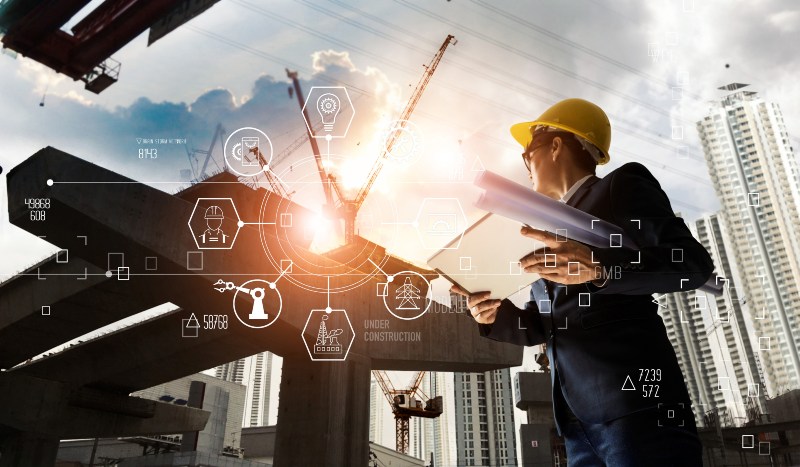
Artificial intelligence in construction project management is a shift in how we coordinate resources, monitor progress, and reduce costs. AI systems are now being used to analyze massive data sets from job sites, automate scheduling, and predict potential delays before they occur. These tools support better decision-making and faster project delivery. This allows us to be more proactive than reactive, especially when working on complex builds that require tight coordination and minimal margin for error. Some of the major ways AI is transforming construction management include:
- Automation of repetitive administrative tasks
- Enhanced safety monitoring through real-time image recognition
- Data-driven scheduling optimization
- Predictive maintenance for equipment
- Risk analysis using historical project data
Key Ethical Concerns in AI-Powered Construction Management
While the advantages are clear, the ethical implications of using AI in construction project management cannot be overlooked. The use of algorithms to make decisions that affect safety, employment, and project outcomes raises questions about fairness, privacy, and transparency. Common concerns in the ethical use of AI and construction management include:
- Bias in algorithms that may skew decisions based on flawed data
- Lack of transparency in how AI systems arrive at decisions
- Security vulnerabilities in systems handling sensitive project data
- Potential over-reliance on automated systems without sufficient human oversight
Balancing Efficiency With Human Oversight
AI can increase efficiency, but it should never replace human judgment, especially in safety-critical decisions. Maintaining a balance between automation and human oversight is key to ethical implementation. While AI can be used for data analysis and forecasting, decisions that affect worker safety, structural integrity, or public welfare must always involve experienced human professionals. We view AI as a collaborative tool rather than a decision-maker. This approach supports accountability and ensures our core values are upheld throughout every phase of construction.
Best Practices for Ethical AI Deployment in Construction
To deploy AI for construction project management responsibly, companies must implement safeguards that align with ethical standards. We’ve identified several best practices that help ensure technology serves the project without compromising values. By following these guidelines, we maintain trust with our clients and team members while embracing the benefits of artificial intelligence in construction management:
- Conduct regular audits of AI systems to detect biases or errors
- Limit AI use to advisory roles in high-stakes decision-making
- Establish clear policies for data privacy in construction AI applications
- Train employees on ethical use and limitations of AI tools
- Maintain transparent documentation for all AI-influenced decisions
Industry Frameworks, Regulations, and Future Trends
As AI adoption grows, the industry is moving toward stronger regulatory frameworks to address concerns about data security and accountability. AI accountability in construction is expected to be shaped by upcoming legal standards, industry certifications, and internal company policies. Looking ahead, we anticipate a future where AI is seamlessly integrated into construction workflows, but always within an ethical framework. The goal is not to remove human input, but to enhance it through better tools. Emerging frameworks are likely to focus on:
- Clarifying responsibility for AI-generated recommendations
- Mandating transparency in how AI tools are developed and tested
- Setting guidelines for ethical data collection and use
Frequently Asked Questions
What are the main ethical risks of using AI in construction management?
The main risks include bias in algorithms, lack of transparency in decision-making, data security concerns, and potential over-reliance on automation that reduces human oversight.
How can construction companies ensure data privacy when adopting AI?
Companies can protect data privacy in construction AI by establishing strict access controls, encrypting sensitive information, and auditing third-party software providers for compliance with data protection standards.
Who is accountable for decisions made by AI in construction projects?
Accountability should always remain with human professionals, regardless of AI involvement. AI systems must support, not replace, human responsibility for project outcomes and safety decisions.
How does AI impact jobs for construction workers?
While AI may automate some tasks, it also creates new roles focused on AI oversight, data analysis, and system management. Upskilling workers ensures they stay engaged and valuable in a changing industry.
What steps can companies take to ensure ethical AI adoption in construction management?
Companies should develop internal guidelines, provide employee training, audit AI systems regularly, and maintain human oversight in critical decision-making areas to ensure ethical use of AI in construction project management.
Call Us for Modern Solutions Grounded in Integrity
As a leader in the construction industry in South Central Wisconsin, Advanced Building Corporation is committed to integrating technology in a way that respects both innovation and integrity. Artificial intelligence in construction management has immense potential, but it must be implemented thoughtfully and ethically. Our team prioritizes transparency, accountability, and human judgment in every construction project we undertake. If your next construction project requires a modern approach rooted in responsible innovation, contact us today. Let’s talk about how our team can support your vision.